Juke Joint
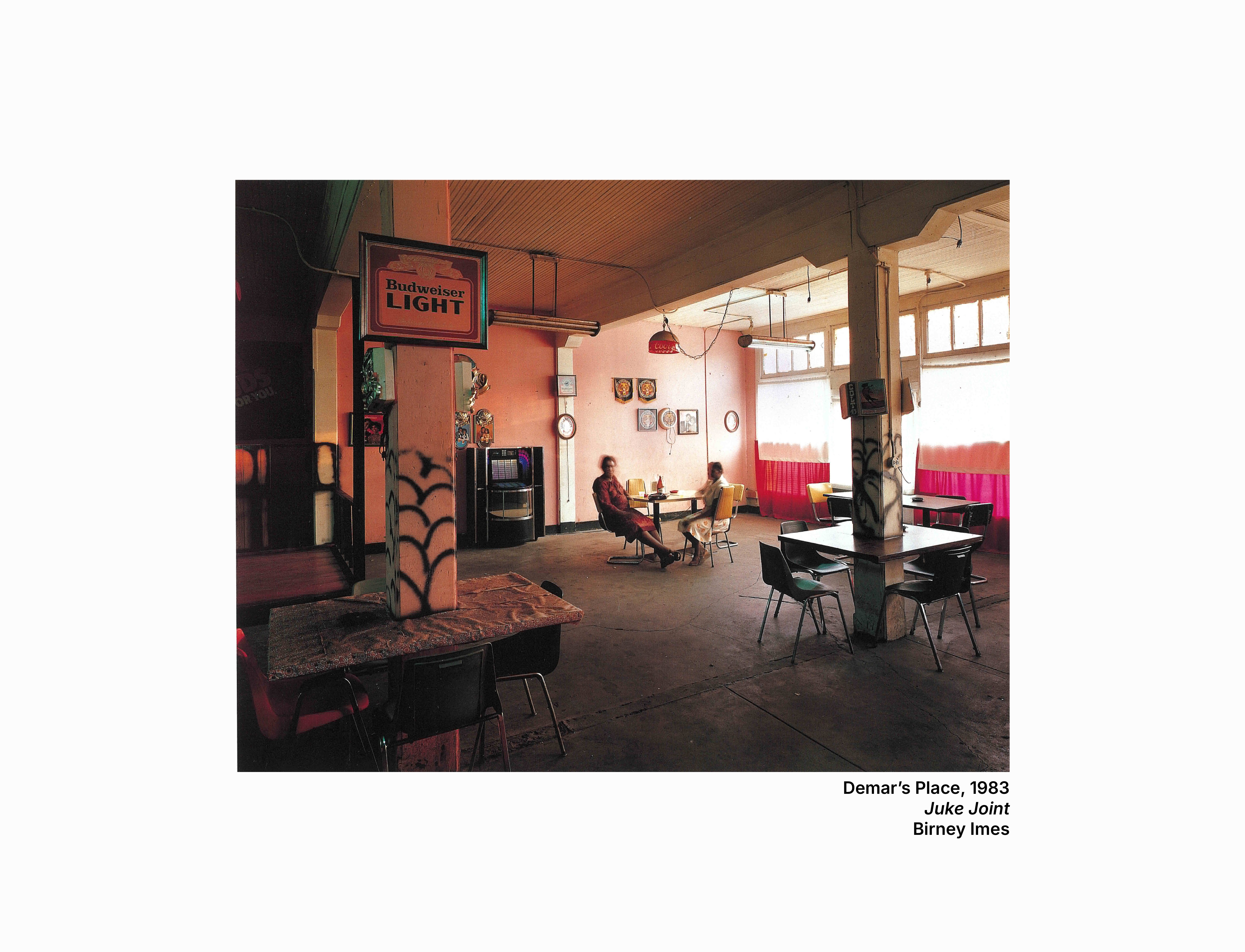
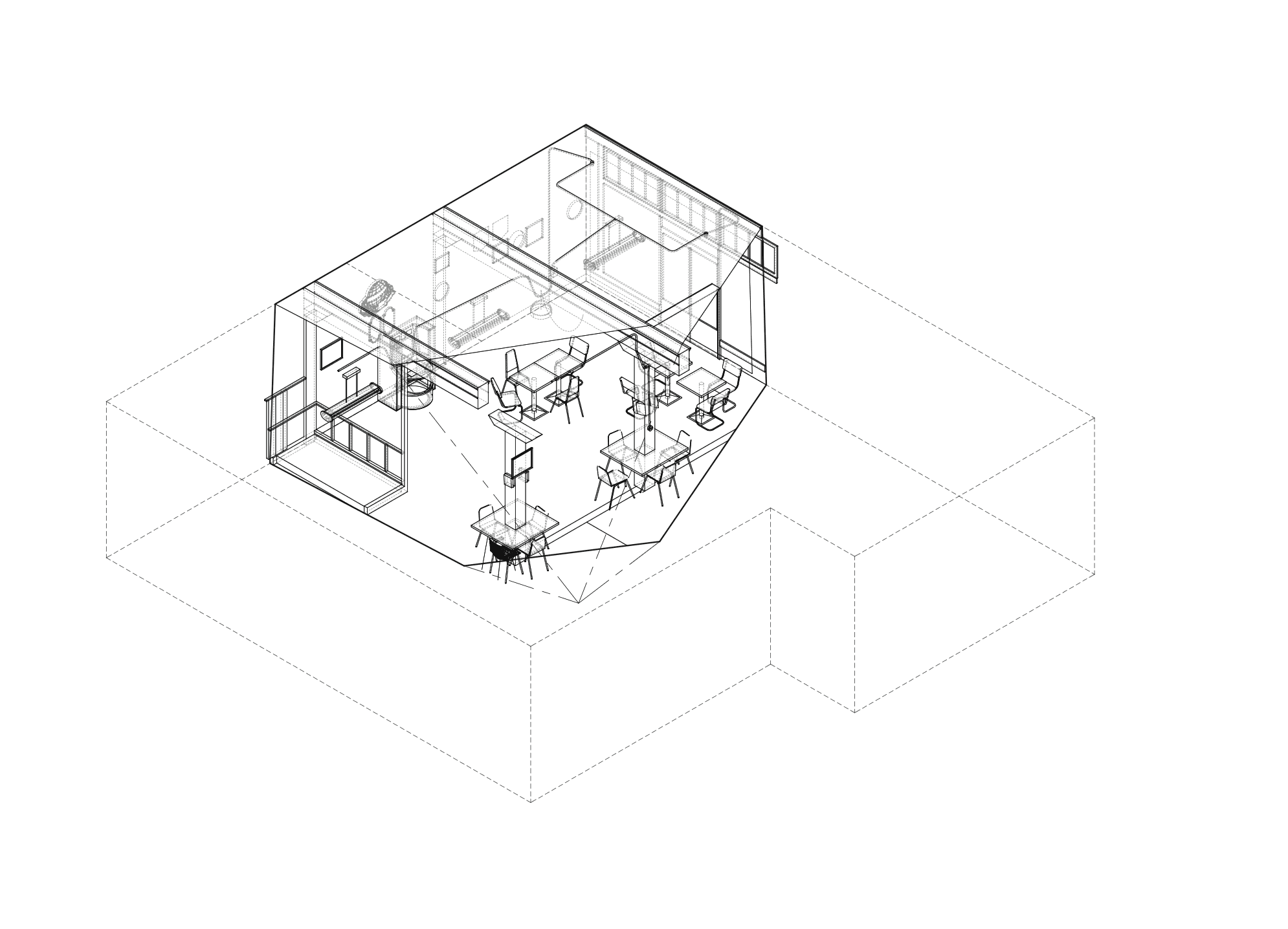
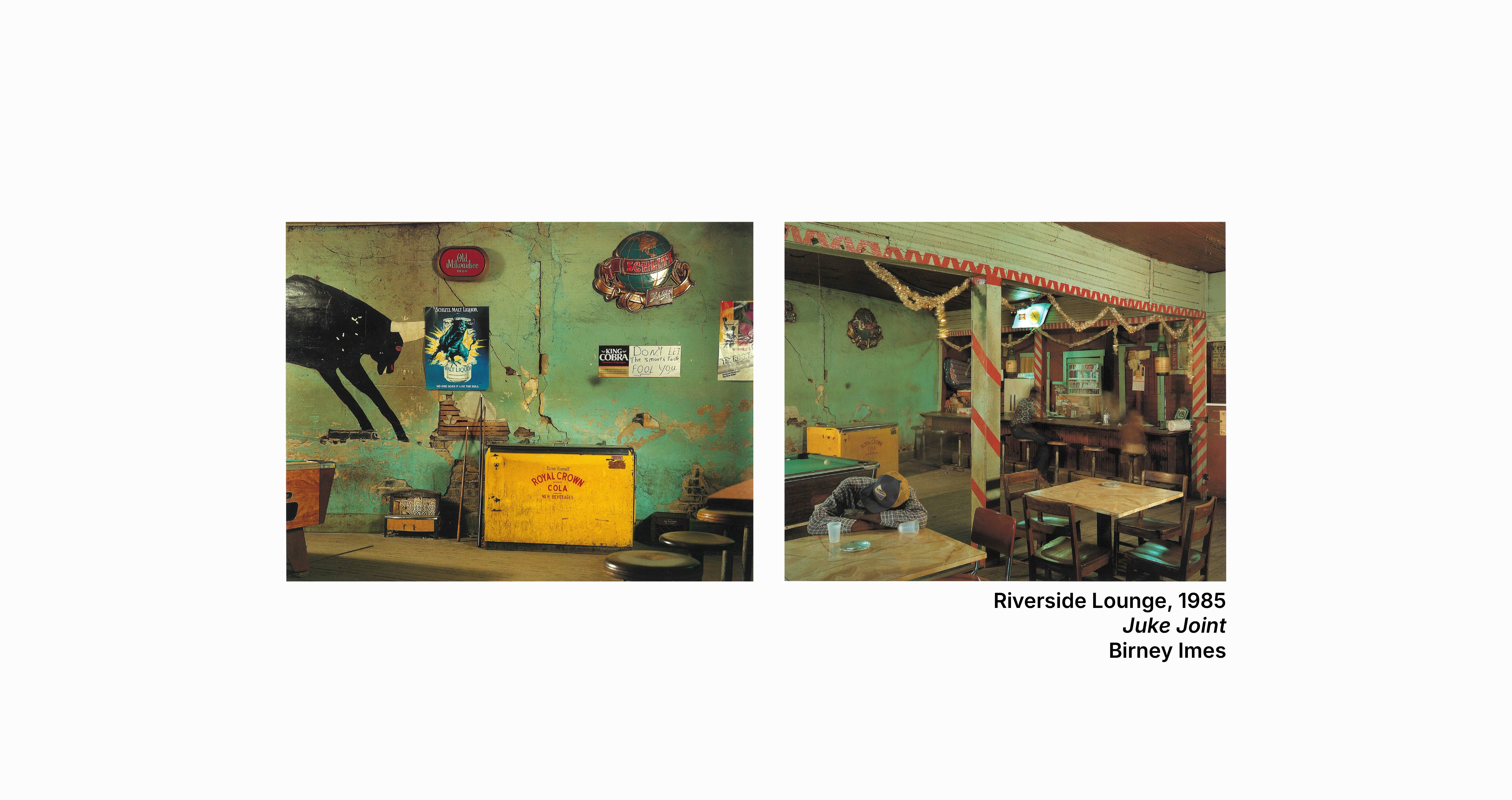
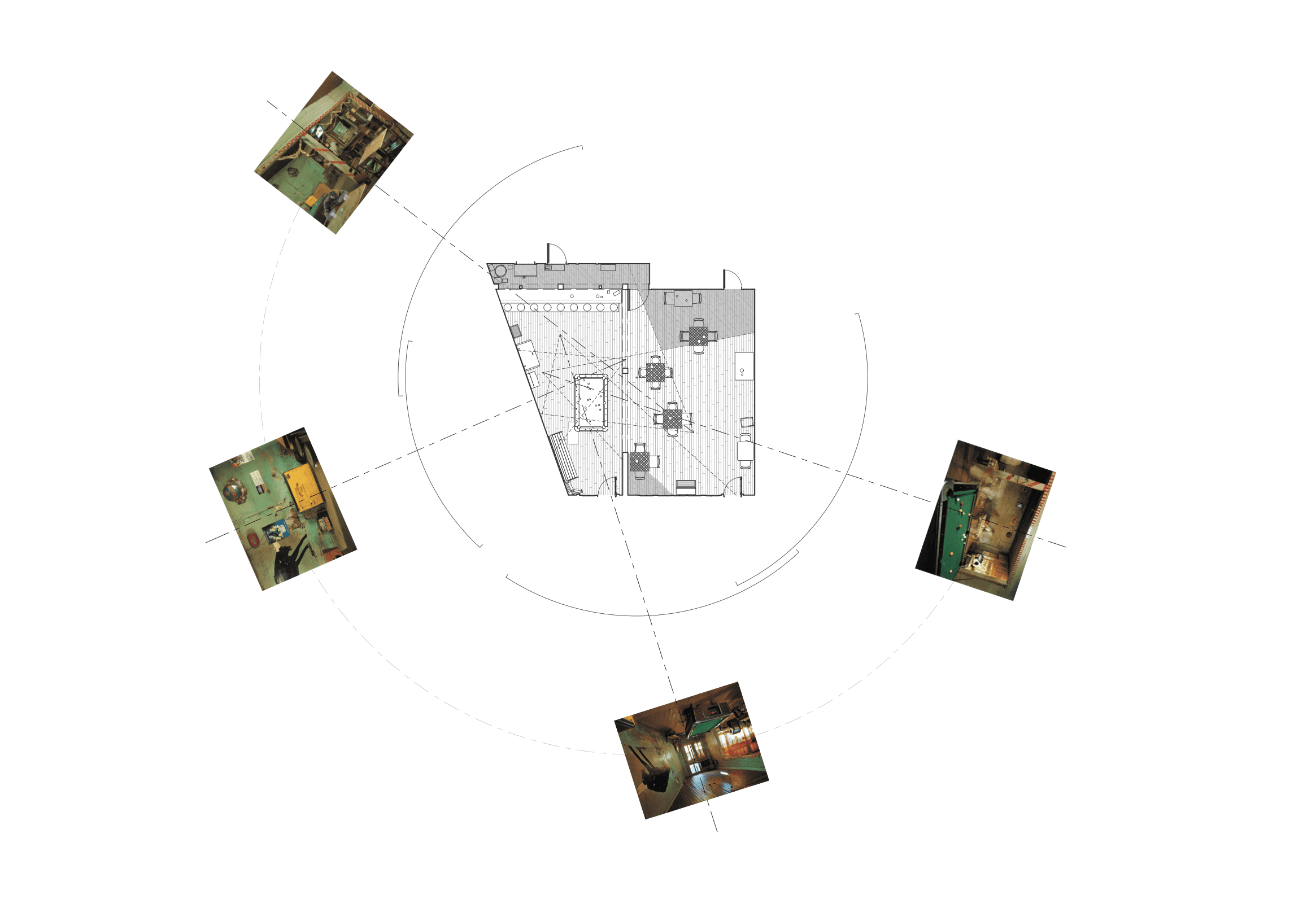
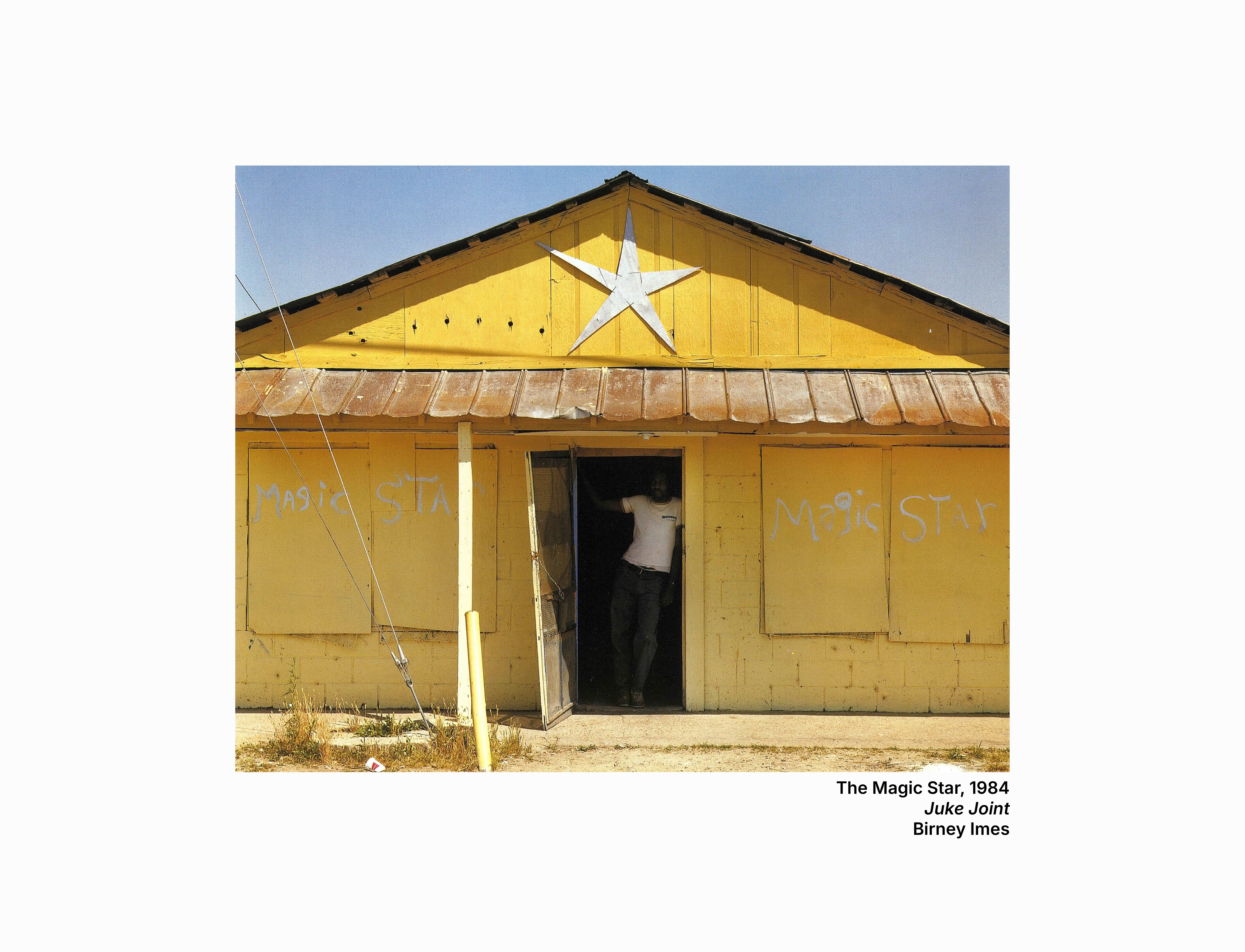
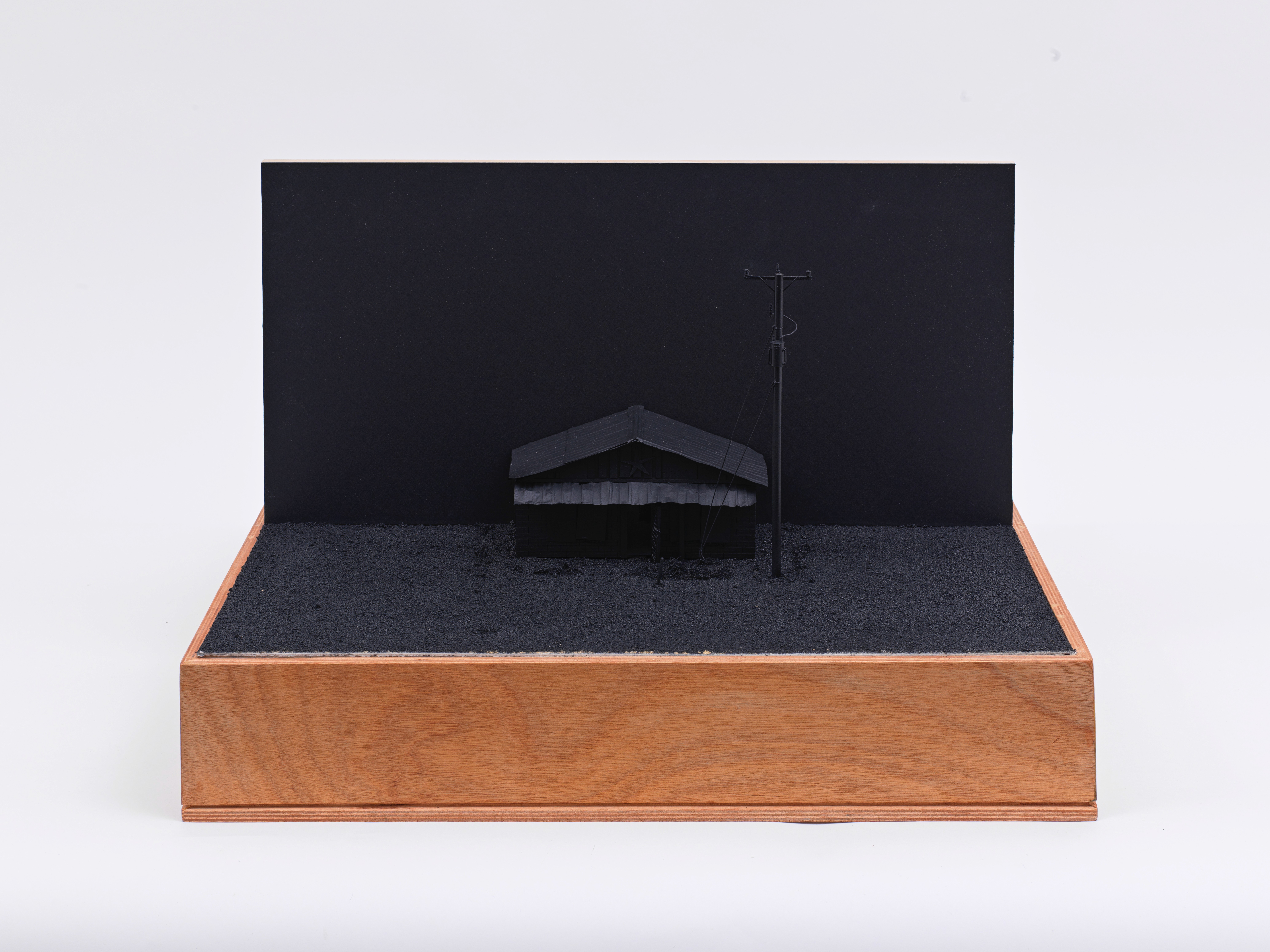
Built Off the Record was a solo exhibition presented at the Wiesner Student Art Gallery at MIT that examined how underdocumented Black social spaces can be understood, reconstructed, and reimagined through fragmentary evidence. Centered on juke joints, informal gathering spaces built by African American communities across the rural South during Jim Crow, the project explored architectures that largely existed outside systems of architectural record, authorship, and preservation. Working primarily from Juke Joint (1990) by Birney Imes, one of the most extensive visual records of these spaces, the exhibition treated photographs not as complete representations but as boundary conditions. An accompanying interview with Imes provided insight into the making of the archive, while three scale models reconstructed specific juke joints through strict perspective alignment, building only what could be verified from the photographs. Areas beyond the camera's view were withheld, physically masked, or rendered black, making absence visible rather than resolved. Some spaces cohered only from a single viewpoint before collapsing from others, exposing how architectural completeness is often a product of perspective rather than fact. One model incorporated a speculative sequence of light and sound to investigate dimensions the archive cannot capture, including time, occupation, and atmosphere, without claiming historical certainty.
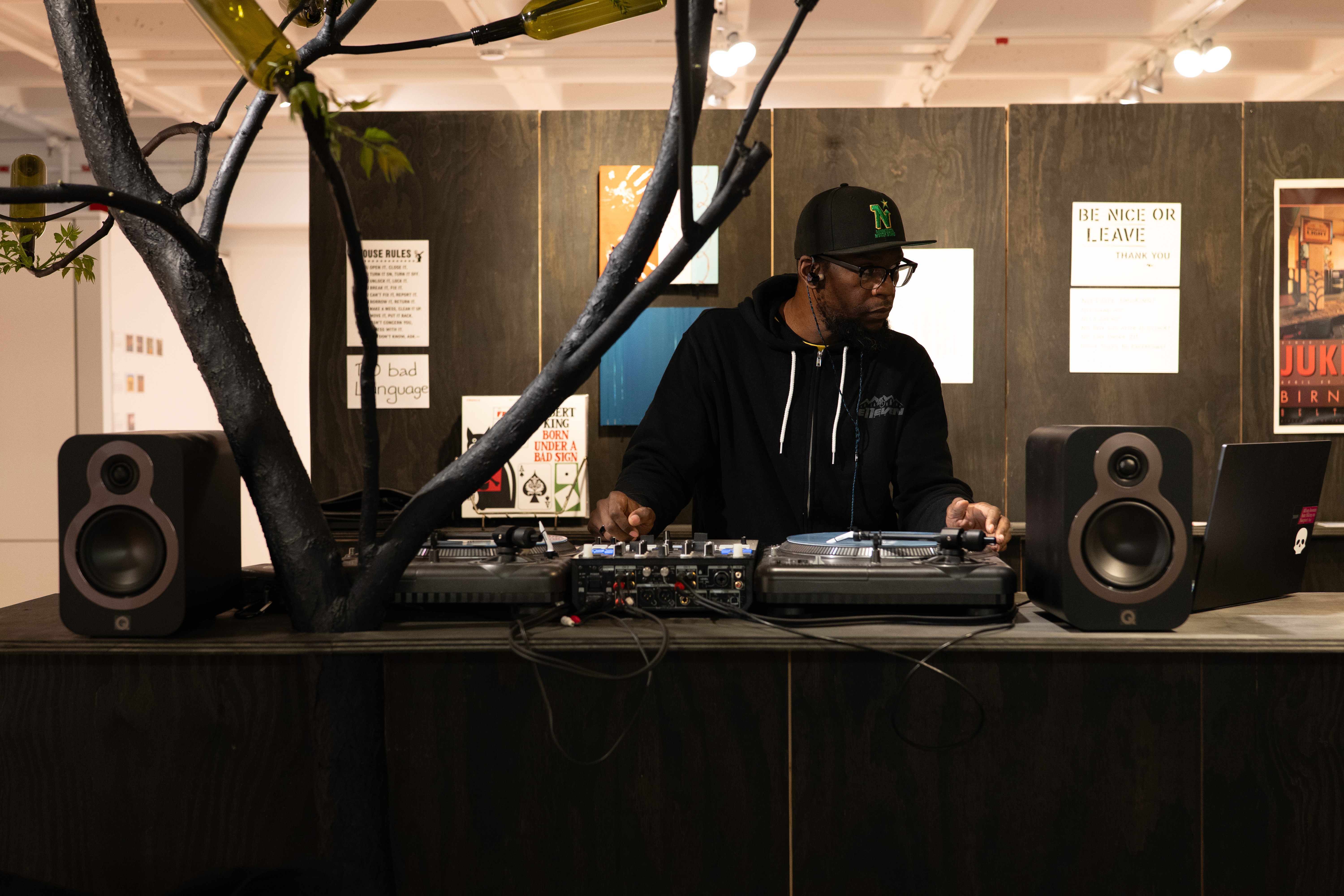
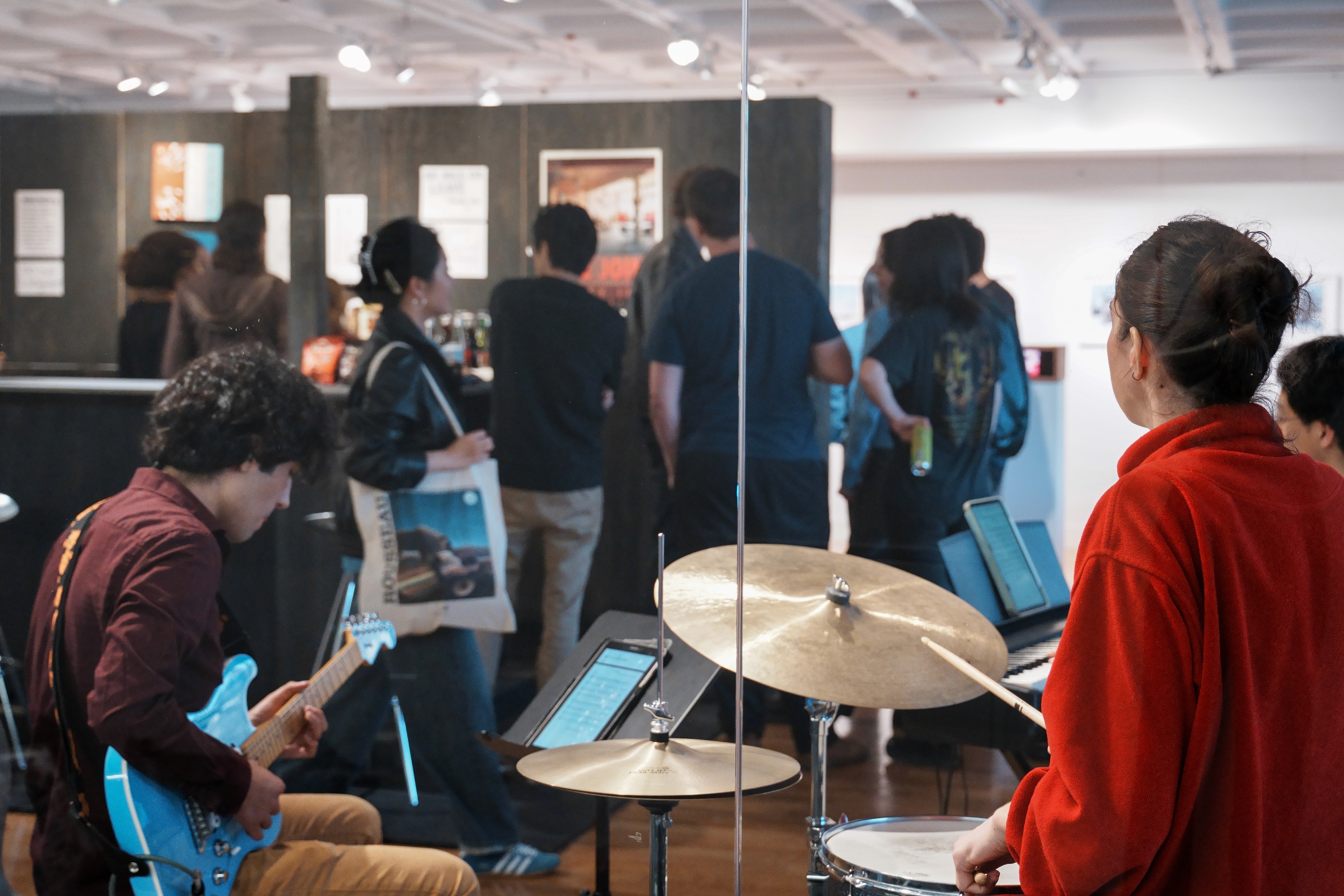
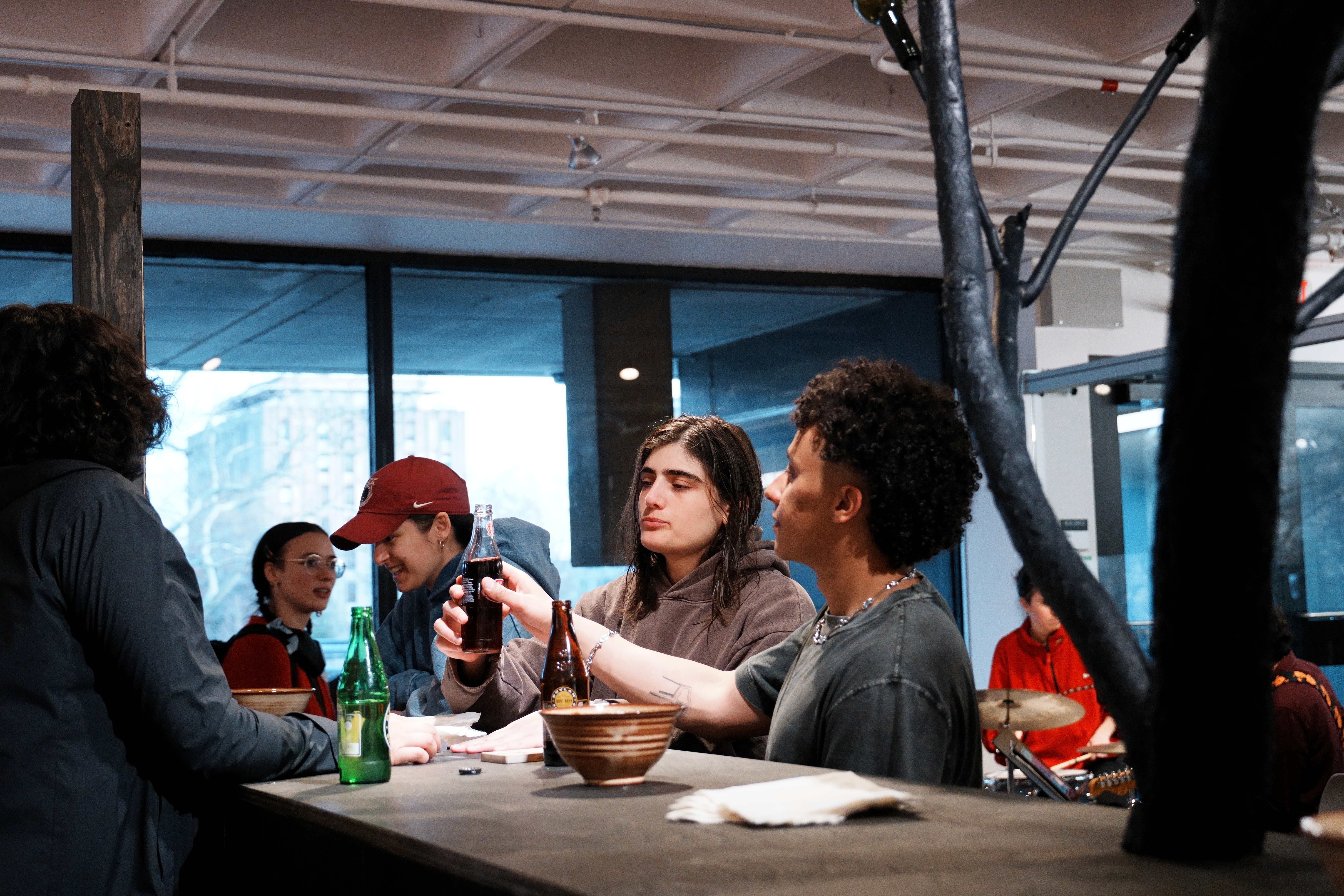
The exhibition extended beyond the models into an immersive installation that activated the gallery as a contemporary gathering space. One-to-one material studies recreated the painted surfaces, spray marks, handprints, and layered finishes that rarely enter the architectural record, while photographs from Duncan, Mississippi situated juke joints within a broader vernacular building culture that persists today. At the center of the exhibition, a full-scale bar functioned not as a historical reconstruction but as a social device, hosting live blues performances, listening sessions, and community gatherings throughout the exhibition. A bottle tree, traditionally understood as catching spirits, anchored the installation and extended it into questions of atmosphere and cultural memory. Rather than completing what is missing, Built Off the Record treated the archive as inherently incomplete, positioning reconstruction as a critical architectural method that makes absence visible and asks what forms of architectural knowledge can emerge from the limits of the historical record.
Spring 2026
Support From / L Dennis Shapiro Fellowship & the Council of Arts at MIT
Advisor / Carrie Norman
Photography / Jacob Payne, Andy Ryan, Qingyang Xie